Notify me when new publications are added.
Many farmers and home gardeners have reported damage to vegetable and flower crops after applying horse or livestock manure, compost, hay, or grass clippings to the soil. The symptoms reported include poor seed germination; death of young plants; twisted, cupped, and elongated leaves; misshapen fruit; and reduced yields. These symptoms can be caused by other factors, including diseases, insects, and herbicide drift. Another possibility for the source of these crop injuries should also be considered: the presence of certain herbicides in the manure, compost, hay, or grass clippings applied to the soil.

English ivy (Hedera helix) is a shade-tolerant, woody perennial vine. When established it creates a dense ground cover with attractive dark green foliage. But, left un-checked this introduced plant invades woodlands, climbs (and kills) trees and is considered an invasive species. Pursuing the internet you can find several “recommendations” for controlling English Ivy. Some good, some are questionable. This publication describes cultural and chemical control options.
This pesticide factsheet covers the use and characteristics of the herbicide, glyphosate.

General guidelines on how to conduct a bioassay for herbicide residues in soil.
Manual removal of weeds is time consuming, expensive, and often results in damage to landscape plants when intertwined roots of both the weed and the ornamental plant are pulled up. Nonselective herbicides (which must be selectively applied to avoid injury to desirable plants) are typically used for postemergence annual and perennial weed control. This publication covers choosing the right herbicide for this situation.

This factsheet describes the symptoms of a glyphosate herbicide injury.

This appendix from the Extension Gardener Handbook will help readers to understand the impact of pesticides on our environment, know when to use a pesticide, how to read its label, and how to apply it safely and to understand the signal words and their associated levels of toxicity.
This pesticide factsheet covers the use and characteristics of Sedgehammer (halosulfuron).
This pesticide factsheet covers the use and characteristics of Dimension (dithiopyr).

This publication discusses weeds common to watermelon and how to control them. Weed management strategies include mechanical control, cultural control, and herbicide recommendations for grasses and broadleaf weeds such as Palmer amaranth and sedge weed species.

This publication alerts prospective gardeners to some of the most common contaminants in urban soils, such as lead and other toxic metals, solvents, pesticides and total petroleum hydrocarbons. This will help minimize potential risks to gardeners and to those who consume garden produce. The document includes information regarding site characterization, common contaminants, soil testing, interpretation of results and strategies for reducing exposure risks.
This pesticide factsheet covers the use and characteristics of the preemergence herbicide Barricade, Prodiamine or Regalkade G (prodiamine).

This pesticide factsheet covers the use and characteristics of Casoron (dichlobenil).
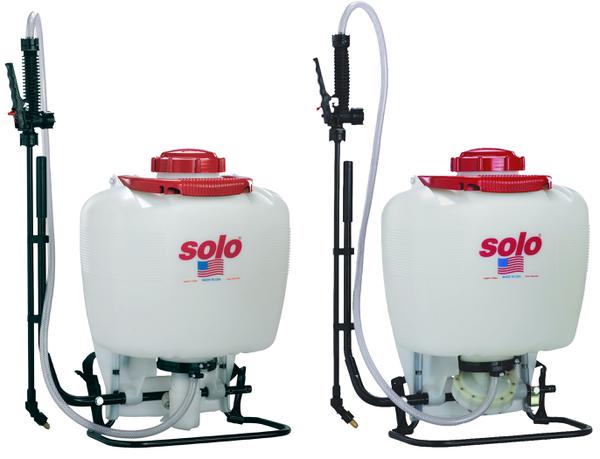
Hand-applied herbicide technologies are varied and effective tools which allow the landowner to selectively control vegetation in a variety of circumstances. This publication discusses the advantages and disadvantages of hand-applied herbicides, as well as application methods.

This factsheet describes the symptoms of a synthetic auxin (SA) herbicide injury.
This pesticide factsheet covers the use and characteristics of Fuerte (fumioxazin + prodiamine).
This pesticide factsheet covers the use and characteristics of Gallery (isoxaben).
This pesticide factsheet covers the use and characteristics of Basagran T/O (bentazon).
This pesticide factsheet covers the use and characteristics of the preemergent herbicide Princep, Simazine (simazine).

This factsheet describes the symptoms of an ALS inhibitor herbicide injury.
This pesticide factsheet covers the use and characteristics of Lontrel (clopyralid).
This pesticide factsheet covers the use and characteristics of Marengo (indaziflam).

This factsheet describes the symptoms of a protoporphyrinogen oxidase inhibitor herbicide injury.
This pesticide factsheet covers the use and characteristics of Pennant Magnum (S-metolachlor).

This factsheet describes the symptoms of a photosystem II (PS II) inhibitor herbicide injury.

This pesticide factsheet covers the use and characteristics of Reward (diquat dibromide).
This pesticide factsheet covers the use and characteristics of Scythe (pelargonic acid) or Axxe (ammonium nonanoate).
This pesticide factsheet covers the use and characteristics of Devrinol (napropamide).
This pesticide factsheet covers the use and characteristics of Sureguard (flumioxazin).
This pesticide factsheet covers the use and characteristics of Pendulum, Aquacap, Corral (pendimethalin).
When it comes to weeds, “start clean – stay clean” should be the moto of every nursery manager. This is especially true for producers of herbaceous perennials. Although we can control most grassy weeds with postemergence herbicide; otherwise, we have few herbicides to use when weeds get out of hand. Furthermore, the herbicides labeled for use in herbaceous ornamentals are either safe on many ornamentals and do not control many weeds, or control lots of weeds but are safe on only a few ornamentals. Consequently, to manage weeds effectively a comprehensive nursery weed management program including exclusion, sanitation, preemergence herbicides, some postemergence herbicides and hand weeding will be needed.
This pesticide factsheet covers the use and characteristics of StriCore (pethoxamid).
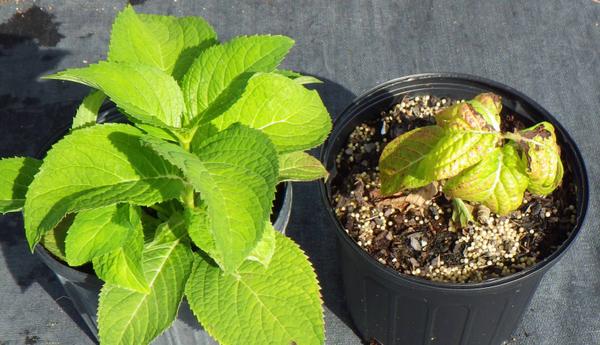
This factsheet describes the symptoms of cellulose-inhibiting herbicide injuries.
This pesticide factsheet covers the use and characteristics of Goal and GoalTender (oxyfluorfen).

This factsheet discusses glyphosate injury on soybean.
This pesticide factsheet covers the use and characteristics of Finale XL or Cheetah Pro (glufosinate).
This pesticide factsheet covers the use and characteristics of Tower (dimethenamid-p).

This factsheet describes the symptoms of a shoot inhibitor herbicide injury.
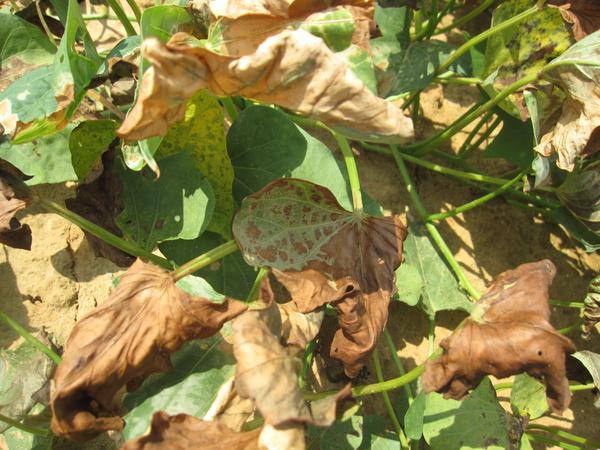
This factsheet describes the symptoms of a photosystem I (PS I) inhibitor herbicide injury.

This factsheet describes the symptoms of natural oil and acid herbicide injuries.
This pesticide factsheet covers the use and characteristics of Gemini (isoxaben + prodiamine).

This factsheet describes the symptoms of a dichlobenil herbicide injury.

This factsheet describes the symptoms of a carotenoid pigment inhibitor herbicide injury.
This pesticide factsheet covers the use and characteristics of Regal O-O (oxyfluorfen + oxadiazon).

This factsheet discusses glufosinate injury on soybean.
This pesticide factsheet covers the use and characteristics of Envoy Plus (clethodim).
This pesticide factsheet covers the use and characteristics of Freehand (dimethenamid-p + pendimethalin).
This pesticide factsheet covers the use and characteristics of Broadstar (flumioxazin).

This factsheet describes the symptoms of a metribuzin herbicide injury.

Palmer amaranth is the most common and most troublesome weed in North Carolina sweetpotato. This publication discusses Palmer amaranth identification, reproduction and growth habit, impacts on sweetpotato yield and quality, and weed management options.
This pesticide factsheet covers the use and characteristics of Ornamental Herbicide II (oxyfluorfen + pendimethalin).

This factsheet discusses PS-II-inhibiting herbicide injury on soybean.

This factsheet discuses very-long-chain fatty acid synthesis-inhibiting herbicide injury on soybean.

This factsheet discusses protoporphyrinogen oxidase (PPO)-inhibiting herbicide injury in soybean.
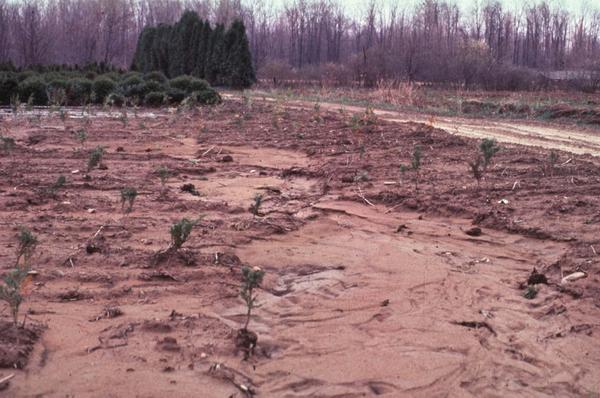
Immediately after a flood, most farmers, nursery crops producers and grounds maintenance staff have much more urgent matters to worry about than weeds. But, eventually the questions arise: Has my preemergence herbicide washed away? How do I know? Should I re-treat? What’s going to happen now? Unfortunately there is no way to provide definitive answers to these questions. But this publication offers some tips and suggestions that will help you plan a response.
This factsheet discusses ALS-inhibiting herbicide injury on soybean.
This table presents information on postemergence herbicides registered for use on woody ornamentals.


