
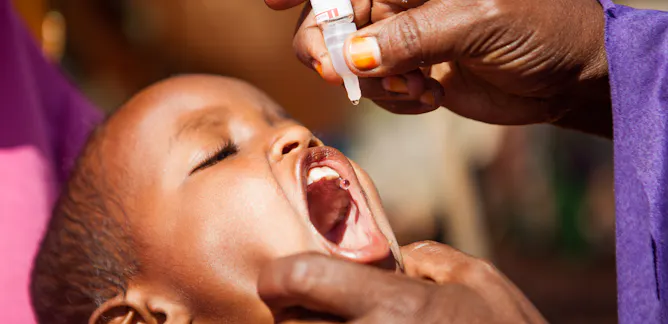
There are five priorities African countries must pursue to achieve vaccination success.
South African Medical Research Council

The South African Medical Research Council (SAMRC) was established in 1969 with the aim to deliver on a mandate to promote the improvement of the health and the quality of life of the population of our country through research, development and technology transfer.
The scope of the SAMRC’s research includes basic laboratory investigations, clinical research and public health studies. Research at the SAMRC focuses on the ten highest causes of death in South Africa and includes TB, HIV, chronic diseases, alcohol and drug abuse, and women’s health.
Links
Articles
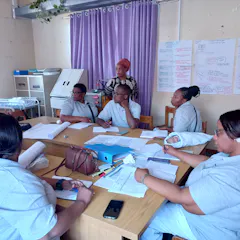
Care improves when healthcare professionals are given the tools to find their own solutions.

Alcohol use among adolescent girls and young women cannot be separated from transactional sex, coercion and violence in high HIV-burden settings.
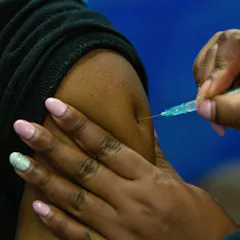
Different social realities lead to different forms of vaccine hesitancy.

Education systems across southern Africa must better prepare for a hotter future.
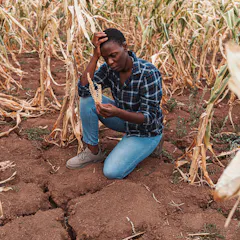
Extreme heat is a huge threat to health, work and food security across southern Africa.

Les gouvernements du monde entier doivent considérer l'alcool et ses méfaits du point de vue des femmes et des enfants, qui en sont les premières victimes.

Governments across the world must look at alcohol and its related harms through the eyes of women and children who are mostly affected.

The US cuts in research funding are devastating to the fight against HIV/Aids. It’s going to be very hard to recover.

Stories from the front line of the US government’s attack on federal science funding. Listen to The Conversation Weekly podcast.
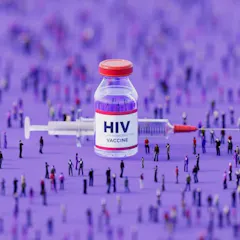
L'investissement de l'Afrique dans la recherche et le développement est bien inférieur à la moyenne mondiale.
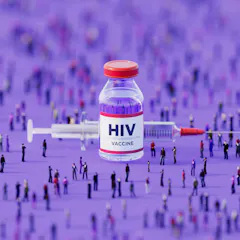
Africa’s investment into research and development is far below the global average.
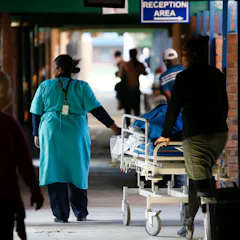
Much needs to be done to improve governance of South Africa’s health system. Eight recommendations provide a guide to what needs to be prioritised.

Financial links between corporations and health research invariably lead to conflicts of interest.
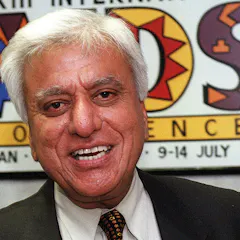
A Lancet profile of Jerry Coovadia described him as the ‘Nelson Mandela’ of healthcare. Glenda Gray pays tribute to a legend

Over the last two years, routine immunisation services and coverage of essential childhood vaccines have been disrupted.
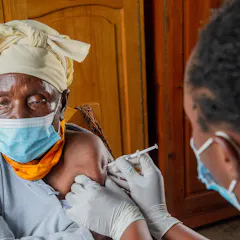
Rwanda has built a healthcare delivery system on primary healthcare with individuals and communities at the centre.

People with deeply-pigmented skin can also get skin cancer. But there is no evidence to suggest that this occurs because of sunburn or exposure to the sun.
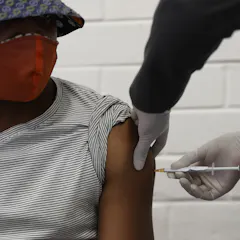
Curbing vaccine hesitancy is as much a matter of acknowledging its social, historical, and cultural roots as it is of addressing its clinical dimensions.
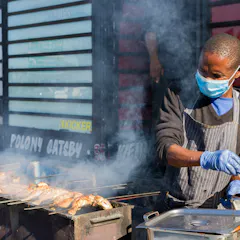
Vendors are continuously exposed to outdoor air pollution from traffic or automotive emissions and cooking fuels such as gas and open fires.
Authors
-
PhD, Medical Anthropologist, South African Medical Research Council
-
Chief Specialist Scientist (Public Health), South African Medical Research Council
-
Chief Specialist Scientist, South African Medical Research Council
-
Specialist Scientist, Alcohol Tobacco and Other Drug Research Unit, South African Medical Research Council
-
Director, Alcohol, Tobacco & Other Drug Research Unit, SAMRC, South African Medical Research Council
-
Extraordinary Professor, Global Health, Stellenbosch University; South African Medical Research Council
-
Public Health Specialist, South African Medical Research Council
-
Deputy Director and Specialist Scientist , South African Medical Research Council
-
Distinguished Professor, Infectious Disease and Oncology Research Institute, Faculty of Heath Sciences, University of the Witwatersrand, Executive Director Perinatal HIV Research Unit, Chief Scientific Officer, South African Medical Research Council
-
Chief Specialist Scientist in Alcohol, Tobacco and Other Drug Research Unit, South African Medical Research Council
-
Senior Scientist, South African Medical Research Council
-
Public health researcher, South African Medical Research Council
-
Project Manager, South African Medical Research Council
-
Professor and Chief specialist scientist, South African Medical Research Council
-
Senior Specialist Scientist, South African Medical Research Council


