

Around one in three women report their birth experience as traumatic. And it’s not always related to medical emergencies.
Articles on Maternity care
Displaying 1 - 20 of 40 articles

To afford milk parents described restricting their own food or heating, getting into debt and returning from maternity leave very early.

The Nottingham maternity review shows why women need better assessment and support at the very start of labour.

The policy amendment has been applauded for moving towards workplace equality. But it still raises some concerns in relation to people with disabilities.
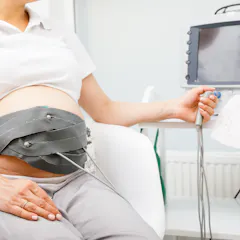
Research gaps in biomechanics and foetal movement may be holding back improvements in maternity safety.

Assisted births are common, but many first-time mothers say they lack information before labour and struggle to make decisions in the moment.

We must move away from the binary diagnosis of post-partum depression and think of difficulties during the transition to parenthood as relational experiences, not a disorder.

How much? This proposal could help take the stress and financial guesswork out of having a baby. But not everyone agrees.
While things sometimes go wrong during childbirth, the majority of women who give birth in Australia do so safely.

Drastic cuts to Medicaid and other public health provisions in the new law will mean even less money to rural hospitals, many of which are already at risk of closing.
Many Indigenous families around the world say hospital staff often don’t understand their cultures or even give them basic rights during maternity care.

Autistic women report feeling unheard, misunderstood and even unsafe during pregnancy and childbirth, according to new research.

Women with gestational diabetes are at higher risk of cardiovascular disorders and mental health problems. But many don’t check their blood sugar after birth.

A vaginal delivery after a caesarean has risks. But so do multiple caesareans. Here’s what you need to know if you’re considering one.

Patients with lower socioeconomic status often have more negative healthcare experiences.

First Nations women face almost twice the risk of stillbirth compared to non-First Nations women. Much of the inequity can be linked to the ongoing impact of colonisation on birthing women.

Migrant mothers face multiple barriers to accessing healthcare in New Zealand. New research highlights the difficulties they face, in their own words.

A nursery for Olympic athletes is a small step forward for women returning to sport after birth. But what’s happening among Australian sporting codes?
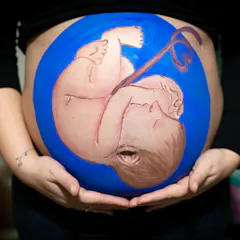
With a 40% staffing shortfall, midwifery needs better funding. But as new research shows, midwives also need recognition and support for the important work they do in the New Zealand health sector.
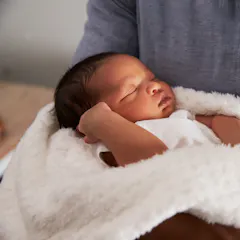
About one in three Swedish births are from foreign-born mothers.
Top contributors
-
Professor of Midwifery, Associate Dean Research and HDR, Midwifery Discipline Leader, Western Sydney University
-
Nottingham Trent University
-
Senior Lecturer, Public Health, Auckland University of Technology
-
Associate Professor in Public Health and Wellcome Trust Career Development Fellow, Swansea University
-
Professor of Maternal and Child Health, University of Stirling
-
Research Officer, Auckland University of Technology
-
Assistant Professor of Obstetrics and Gynecology, University of Michigan
-
Associate Professor of Economics, University of Southern Denmark
-
Professor of Pediatrics and Public Health; Public Voices Fellow, Columbia University
-
Research Fellow, Queensland University of Technology
-
Associate Professor in Public Health, Queensland University of Technology
-
Professor, Promotional Chair, James Cook University
-
Principal Lecturer in Midwifery, University of Brighton
-
Indigenous Research Midwife, Stillbirth Centre of Research Excellence, The University of Queensland
-
Associate Professor of Family Medicine, University of Michigan


