

Diets like the Fast 800 or intermittent fasting have become popular ways to lose weight. But they’re not long-term solutions.
Articles on Nutrition
Displaying 1 - 20 of 821 articles

Droughts and floods reduce agricultural production, disrupt supply chains, and limit families’ access to fruits, vegetables, and other fresh foods.
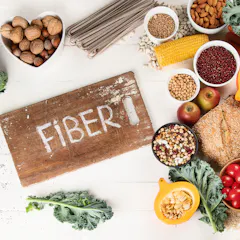
Americans aren’t getting enough fiber in their diets. Luckily, there is a plethora of ways you can increase your daily dose of fiber without upsetting your stomach or breaking the bank.

Coffee doesn’t just make you feel more alert. Here’s what else happens when you drink a cuppa.
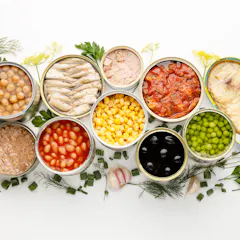
A food shortage is never going to be an ideal situation. But it’s possible to build a healthy stockpile for your home.

Denmark eats more sugar than Britain and invented the Danish pastry, yet far fewer Danes are obese. What are they doing differently?

The vast majority of people around the world are lactose intolerant. But American propaganda and scientific biases have made milk and dairy products a staple in global diets.

Protein powders and protein-fortified versions of all manner of foods line grocery store shelves. But just because something has added protein doesn’t necessarily make it better.

Researchers surveyed more than 1,500 students at a large Canadian university to better understand the relationship between cannabis use and diet quality.

A study of nearly 3,000 older swedes found long gaps between meals may speed up chronic disease – especially for those over 78.

Drinking a lot of cow’s milk can increase your child’s risk of low iron. Here’s what to look out for.

A new review links eating less protein to longer lifespans and improved metabolism. But lots of this evidence comes from animals, not humans.

Heliconius butterflies eat high-protein pollen and seem to age well.

The typical alcoholic beverage disclosed only a single piece of nutritional information: its alcohol content.

Caregivers often don’t recognize how much time, energy and effort is dedicated to their nutrition-related responsibilities, and many feel unprepared for them.

Do you tend to sit down for breakfast? Or do you grab a muesli bar or bacon-and-egg roll on the way in to work? Here’s what to keep in mind.
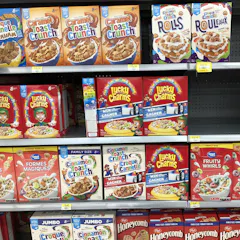
Using government developed criteria for marketing to kids, none of the child-targeted cereals examined would be permitted to be advertised to children, and 96 per cent surpassed sugar thresholds.

US shoppers are seeing higher fruit and vegetable prices thanks to trade tensions, extreme weather and geopolitics, just to name a few reasons.

By interfering with how communities collect data and how researchers access it, the CDC risks undermining the hard-won trust needed for effective public health.
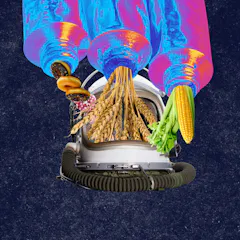
Space food cannot just be functional. Sometimes, it should simply bring joy.
Top contributors
-
Laureate Professor in Nutrition and Dietetics, University of Newcastle
-
Professor of Community Health and Wellbeing, The University of Queensland
-
Program Director of Nutrition and Food Sciences, Accredited Practising Dietitian, Adelaide University
-
Accredited Practising Dietitian and Lecturer, Southern Cross University
-
Senior Lecturer, Nutrition and Food Science, Australian Catholic University
-
Honorary Associate Professor, University of Leicester
-
Senior Lecturer, Nutrition, Swinburne University of Technology
-
Associate Professor, Deakin University
-
Senior Visiting Fellow, School of Medical Sciences, UNSW
-
Associate Professor of Gastroenterology, School of Medicine, University of Washington
-
Programme Lead Nutrition and Health, Edge Hill University
-
Professor of Genetic Epidemiology, King's College London
-
Professor of Public Health Policy, Deakin University
-
Associate Professor, Institute for Physical Activity and Nutrition, Deakin University
-
Clinical Trials Director, Department of Endocrinology, RPA Hospital, University of Sydney


