

American churches could not rely on the state for financial support. Private philanthropy helped them survive – and shaped the country’s religious diversity today.
Articles on Religious giving
Displaying all articles

Giving that’s associated with the wealthiest Americans – from bequests and foundations to universities and donor-advised funds – fared better than usual.
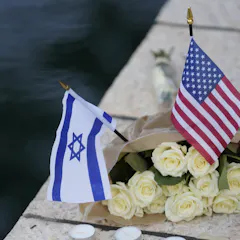
As American Jews grieve, many are giving as well.
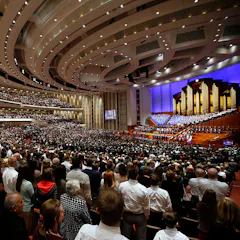
Joseph Smith encouraged early Latter-day Saints to pool their resources. Two centuries later, one of the results is an investment portfolio estimated at $100 billion.

Little comprehensive research about what the charitable accounts, known as DAFs, are supporting has been conducted until now.

Zakat, or charity, is a fundamental practice within the Islamic faith.

Decades of data indicate that over time, the foundations gave less to the founder’s own community and religious causes. But the share of their donations supporting social movements rose.
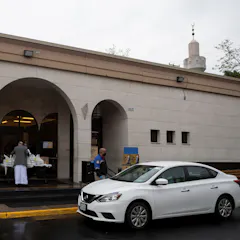
Social distancing has made giving to the poor – an obligation under Islam – harder this Ramadan. Meanwhile Muslim nonprofits are feeling the strain of the economic downturn.
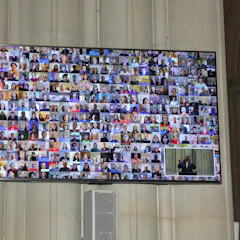
Most Christian churches were relying heavily on ‘collection plates’ to pay their bills before the pandemic struck. And less than half were doing any online fundraising as of 2018.

Fewer people belong to a congregation or identify as Protestant or Catholic. And yet, most congregations say their membership is growing or stable.

It’s not necessarily because of Islamophobia.

Rules imposed after 9/11 and still on the books are getting in the way of delivering aid to conflict zones. In countries like Yemen and Syria, it could mean the difference between life and death.
Top contributors
-
Associate Rrofessor of Philanthropic Studies, Indiana University
-
Interim Director of Data & Research Partnerships at the Lilly Family School of Philanthropy, Indiana University
-
Associate Professor of History, Sam Houston State University
-
Associate Professor of Religious Studies, Florida International University
-
Professor of Political Science and Founding Director, Center for Environmental Politics, University of Washington
-
Associate Professor of Nonprofit Management, Indiana University
-
Research fellow, Indiana University
-
Visiting Researcher, Georgetown University
-
Assistant Professor of Philanthropic Studies, Indiana University
-
Associate Director of Research, Lilly Family School of Philanthropy, and Managing Editor, Giving USA, Indiana University
-
Visiting Scholar of Philanthropy, Indiana University
-
Professor of Political Science, University of Arkansas
-
Associate Professor of Nonprofit Management, University of Oregon
-
Assistant Professor of Public Policy, University of Maryland


