
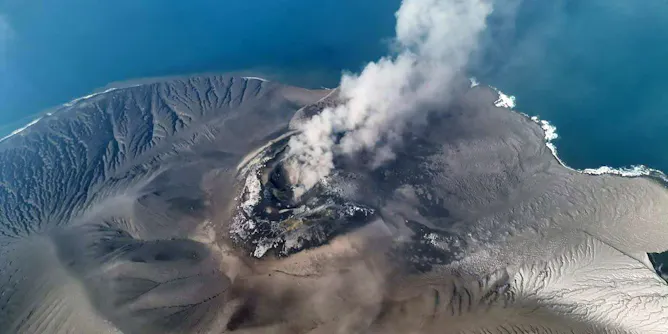
Satellite imagery reveals a dramatic shift on Sertung Island following Anak Krakatau’s eruption. As lush greenery turns to ash, a new natural laboratory emerges for studying the birth of soil.
Articles on Soil
Displaying 1 - 20 of 195 articles
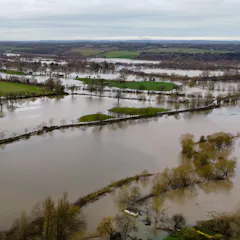
We have built the system to shed much of the surplus rather than keep it. We allow a wet winter to rush away, then ration what remains through a dry summer.

As storms, wildfires, and floods strike in ever-closer succession, an architect with disaster risk science expertise explains why resilience is built between hazards, not during them.
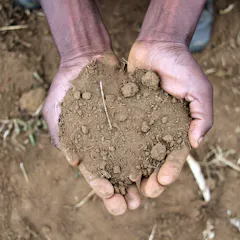
Microbial ecology helps explain how ecosystems respond to environmental pressures.

Mulch glue allows water and air to penetrate the soil, but there are concerns it may limit birds turning over and foraging in mulch.

A soil expert unpacks what this unconventional farming method is and how it works.
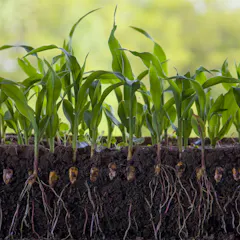
As soils become saltier, roots are deploying remarkable survival strategies that could help safeguard future food supplies.
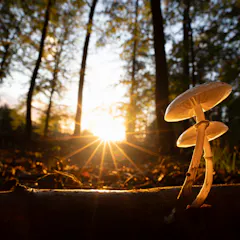
A new study provides a crucial baseline: the first global map of where these fungal networks are and how much of them exists.
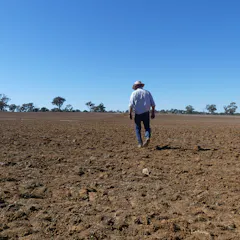
The good news is degraded soil can regain some of its lost heat protection. We can help ‘re-insulate’ the ground with practical farming methods.
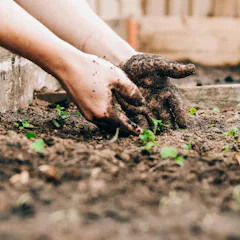
While contamination in soil is real, the benefits of gardening outweigh it, and there are plenty of simple, affordable steps gardeners can take to protect themselves.
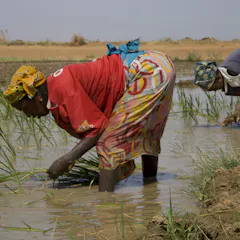
Science can only change the world when societies decide to give it the means to do so.

Eating soil is still practised widely around the globe today.
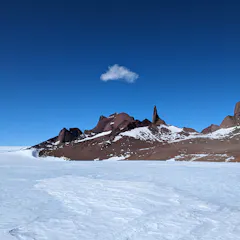
New study provides evidence that Antarctic microbes make energy from the air at temperatures as low as -20°C.
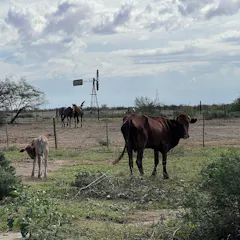
Mesquite tells a story about unintended consequences; but it also shows how careful, collaborative responses can lead to solutions for people and the environment.

These tiny critters have shaped the health of our planet for hundreds of millions of years.
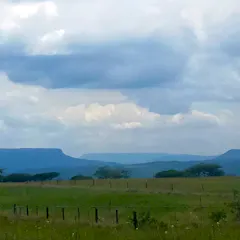
Decades of experimentation revealed slow ecological processes and long-term interactions that have international scientific value.
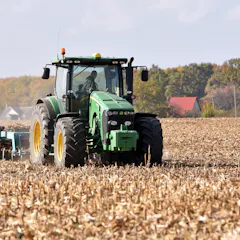
Improved manure recycling is one measure being proposed that could help Ukraine’s soil recover from misuse of fertilisers.
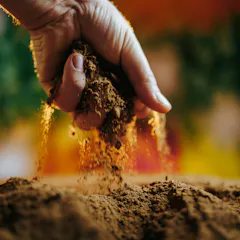
From Paris in 2015 to Belem in Brazil in 2025, soil is slowly becoming part of climate policy but more can be done.
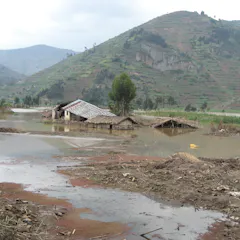
Africa is heavily dependent on agriculture. At this year’s COP30 conference, the continent needs to secure more funding to adapt land to climate disasters.

Only 1.5% of soil arriving at waste facilities in England was classed as hazardous, suggesting we are throwing away mostly healthy, usable soil.
Top contributors
-
Soil Scientist, Australian Centre for International Agricultural Research
-
Emeritus Professor of Soil Science/Principal consultant, Lancaster University
-
Professor of Earth and Space Sciences, University of Washington
-
Chair Professor in Sustainability, Lancaster University
-
Reader in Ecology, University of Lancashire
-
Professor of Digital Agriculture & Soil Science; Director, Sydney Institute of Agriculture, University of Sydney
-
Associate Professor, Department of Entomology; African-American Studies, University of Illinois Urbana-Champaign
-
Professor of Dryland Ecology, UNSW
-
Professor in Soil-Landscape Modelling, University of Sydney
-
Associate Professor in Biology, Flinders University
-
Ecologist and Researcher, Flinders University
-
Professor of Earth Sciences and Executive Director, Environmental Resilience Institute, Indiana University
-
Associate Professor of Mycology and Plant Pathology, West Virginia University
-

CGIAR
-
Associate Professor, Monash University


