

Meet Our Fellows
Excellence in bold policy work and research exploring the contemporary relevance of the Whitlam legacy.
Fellows & Ambassadors

Professor Michelle Arrow
Whitlam Institute fellow
Michelle Arrow is Professor in Modern History at Macquarie University.
She is the author of three books, including Friday on Our Minds: Popular Culture in Australia Since 1945 (2009) and The Seventies: The Personal, the Political and the Making of Modern Australia (2019), which was awarded the 2020 Ernest Scott Prize for history and was shortlisted for the Douglas Stewart Prize for Non-Fiction in the NSW Premier’s Literary Awards. Michelle won the 2014 Multimedia History Prize in the NSW Premier’s History Awards for her radio documentary ‘Public Intimacies: the 1974 Royal Commission on Human Relationships’, and she has held research fellowships at the National Archives of Australia and the National Library of Australia for her research on 1970s Australia.
Together with Kate Fullagar and Leigh Boucher, Michelle is currently editor of the Australian Historical Association’s journal History Australia. In 2020, she was awarded a Special Research Initiative grant from the Australian Research Council for her current project, a biography of the writer and broadcaster Anne Deveson.
Explore Professor Arrow’s work for the Whitlam Institute in our book Women and Whitlam: Revisiting the Revolution.

Professor Frank Bongiorno AM
WHITLAM INSTITUTE DISTINGUISHED FELLOW
Frank Bongiorno is Professor of History at the Australian National University and a Distinguished Fellow of the Whitlam Institute at Western Sydney University. He was previously Senior Lecturer at King’s College London and the University of New England, and was Smuts Visiting Fellow in Commonwealth Studies at the University of Cambridge in 1997-98.
He is the author of The Sex Lives of Australians: A History (2012), The Eighties: The Decade That Transformed Australia (2015) and Dreamers and Schemers: A Political History of Australia (2022). He is a Fellow of the Academy of the Social Sciences in Australia, the Australian Academy of Humanities and the Royal Historical Society, and President of the Australian Historical Association.
Explore Dr Bongiorno’s research in Australia Before Whitlam: A Slice of the Sixties.
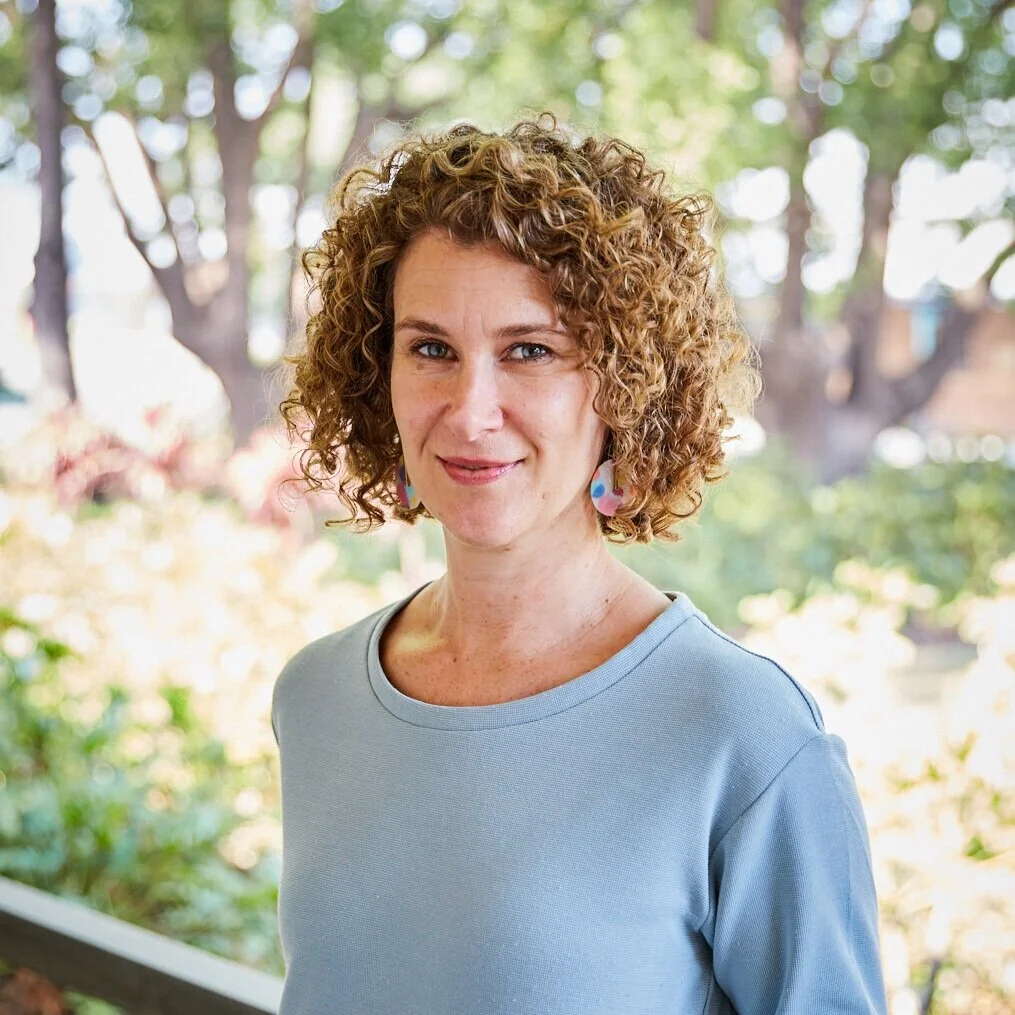
Professor Philippa Collin
Whitlam Institute fellow
Professor Philippa Collin co-directs the WSU Young and Resilient Research Centre and the Intergener8 Living Lab and is a co-Stream Leader for the Wellbeing, Health and Youth NHMRC Centre of Research Excellence (2017 – 2022). A social scientist, Philippa studies new forms of political participation, identity and governance as they relate to the dynamics of elitism and exclusion – particularly for young people. She also studies the role of the digital in the social, cultural and political lives of young people, with a focus on the implications for health and wellbeing.
Explore Professor Collin’s research on Young People and Democracy.

Elizabeth Evatt AC
Whitlam Institute DISTINGUISHED fellow
Elizabeth Evatt was Chief Judge of the Family Court of Australia, 1976 to 1988, and President of the Australian Law Reform Commission, 1988 to 1993.
From 1984 to 1992 she was a member of the United Nations Committee on the Elimination of Discrimination; she chaired the Committee from 1989-1991. From 1993 to 2000 she was a member of the UN Human Rights Committee. From 1998 to 2006, she was a Judge of the World Bank Administrative Tribunal. From 2003 to 2018, she was a Commissioner of the International Commission of Jurists. Currently she is a member of the Women’s Advisory Committee of the NSW Corrective Services Commission, and a board member of Sisterhood is Global.
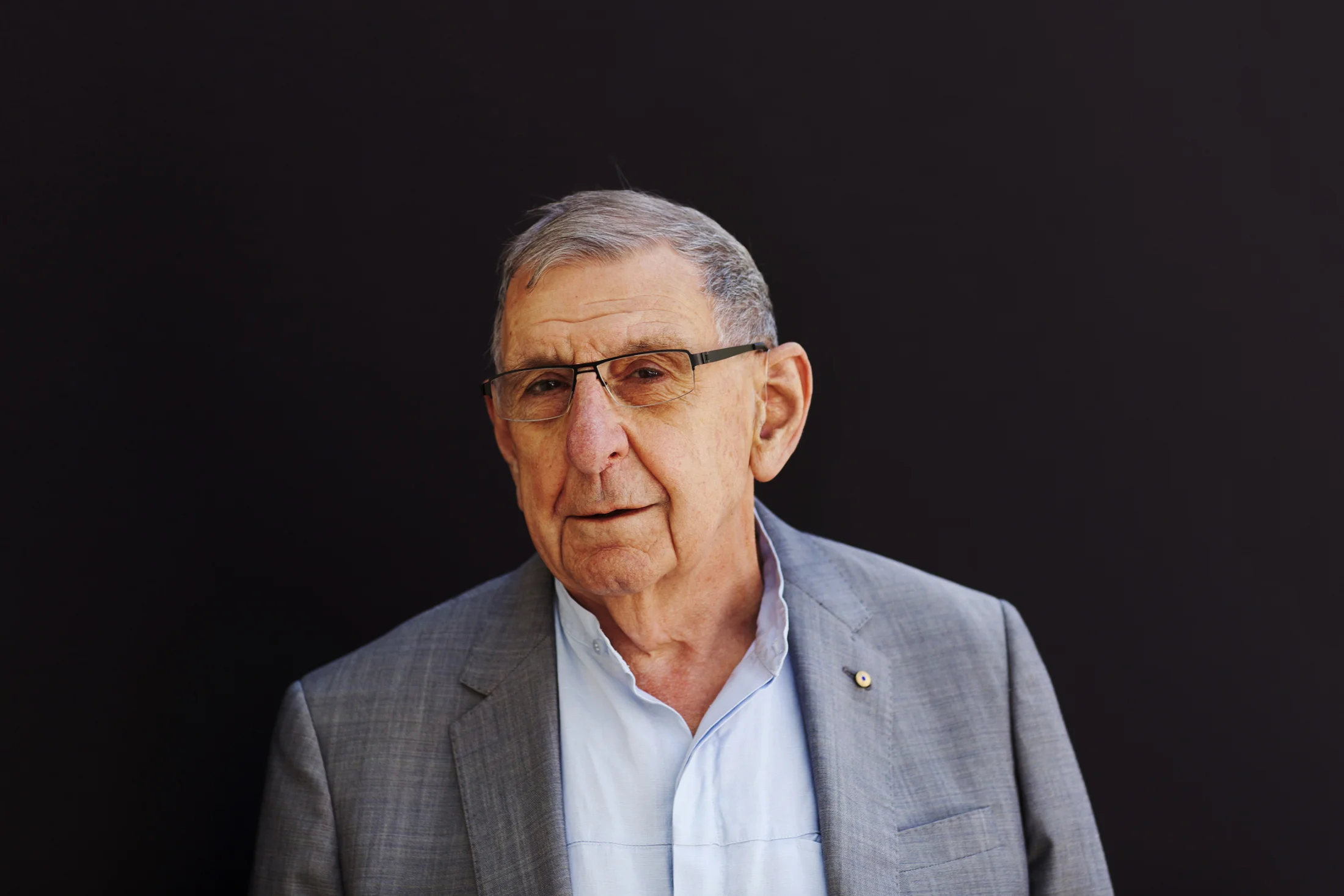
Dr Stephen FitzGerald AO
Whitlam INstitute Distinguished Fellow
Dr Stephen FitzGerald was Australia’s first ambassador to the People’s Republic of China and is one of Australia’s foremost China specialists. He began his professional career as a diplomat, studied Chinese and was China adviser to Gough Whitlam. He established the first private consultancy for Australians dealing with China, which he continues to run.
Dr FitzGerald founded and until 2005 chaired the UNSW’s Asia-Australia Institute, which is dedicated to building Australia’s role in Asia. He is a Fellow of the Australian Institute of International Affairs and a Honorary Fellow at the China Studies Centre at Sydney University. He has also been awarded two Honorary Doctorates from Macquarie University and the University of Tasmania.
Dr FitzGerald has consulted to the Australian government, various state and territory governments, the governments of Britain, Denmark and others, and to universities around Australia, on subjects including the teaching of Asian languages, university programs on Asia studies and governance-related aid in China and Southeast Asia.
His current research is on changes in Australia’s policies and attitudes towards Asia from the 1960s to the present. Stephen is currently a Board Member of China Matters, which seeks to facilitate constructive dialogue about Australia’s relations with China.
Explore Dr FitzGerald’s research in The Coup that Laid the Fear of China - Gough Whitlam in Beijing, 1971.

Dr Harry Hobbs
Whitlam Institute Fellow
Dr Harry Hobbs is a Senior Lecturer in the Faculty of Law at the University of Technology Sydney. Reflecting Gough Whitlam’s desire to build a ‘more equal, open, tolerant and independent Australia’, Harry’s research examines how Australia can deal with the ‘unfinished business’ of constitutional reform.
Harry has particular expertise and interest in Indigenous-State treaty-making in Australia and overseas. With UNSW’s Professor George Williams, he co-authored Treaty (Federation Press, 2nd edition, 2020), the leading book on this topic, in which the two academics take a fresh look at modern treaty-making between Indigenous peoples and governments in Australia. Harry is also the author of Indigenous Aspirations and Structural Reform in Australia (Hart Publishing, 2021) and co-editor of Treaty-Making Two Hundred and Fifty Years Later (Federation Press, 2021, with Alison Whittaker and Lindon Coombes).
Harry’s work also examines the health of Australia’s democratic architecture. Drawing on research that reveals a growing democratic malaise in Australia, Harry is interested in examining whether and how institutional reform can improve satisfaction with democracy.

Emeritus Professor Jenny Hocking AM
Whitlam Institute Distinguished Fellow
Emeritus Professor Jenny Hocking AM is an award-winning biographer, scholar and political commentator. She is the inaugural Distinguished Whitlam Fellow with the Whitlam Institute and Emeritus Professor at Monash University. Jenny is the author of the acclaimed two-volume biography of Gough Whitlam, Gough Whitlam: A Moment in History (2008) and Gough Whitlam: His Time (2012), winner of the Fellowship of Australian Writers’ Barbara Ramsden Award and shortlisted for several major literary awards including the Prime Minister's Literary Awards, the National Biography Award, The Age Book of the Year and the Magarey Medal for Biography and long-listed for the Walkley Non-fiction Book Award.
Jenny has also written biographies of High Court justice Lionel Murphy and the Australian communist author Frank Hardy. Her work has appeared in a range of media and journals including The Guardian, Huffington Post, Crikey, Independent Australia, The Age, Meanjin, Overland, Griffith Review, Arena and Australian Review of Books.
Jenny’s latest book is The Dismissal Dossier: Everything you were Never Meant to Know about November 1975 – the Palace Connection (2017) and her essay ‘Relics of colonialism: The Whitlam dismissal and the Palace letters’ appeared in February 2018 in Griffith Review.
Explore Professor Hocking’s research in “Relevant and electable”: Gough Whitlam and the Remaking of the Australian Labor Party.

Dr Ben Huf
whitlam institute fellow
Dr Ben Huf is a historian of Australian economic, intellectual and policy history. Ben was awarded his PhD from the Australian National University in 2018 and has held research fellowships and positions with the Laureate Program in International History at Sydney University, as Dr AM Hertzberg Fellow at the State Library of New South Wales and with the Parliament of Victoria. He has recently published in Labour History, Australian Historical Studies and Contemporary European History and is working on several book projects, including a history of the changing meanings of the Australian economy, and a commissioned history of parliamentary administration in Australia.
Dr Huf’s research at the Institute re-evaluates Whitlam’s Program in the context of the ideas, personnel and institutions that followed the 1972 UN Conference on Human Environment. Ben reframes Whitlam’s environmental legacies as more than conservationism, but a coherent attempt to reconcile environment and economy as synonymous problems of “development” across numerous policy projects. This history has deep resonances with environmental politics today, as policymakers now attempt to reconcile economic growth with reducing carbon emissions.
Explore Dr Huf’s research in Curating the National Estate: Equality, Environment and the Whitlam Government.
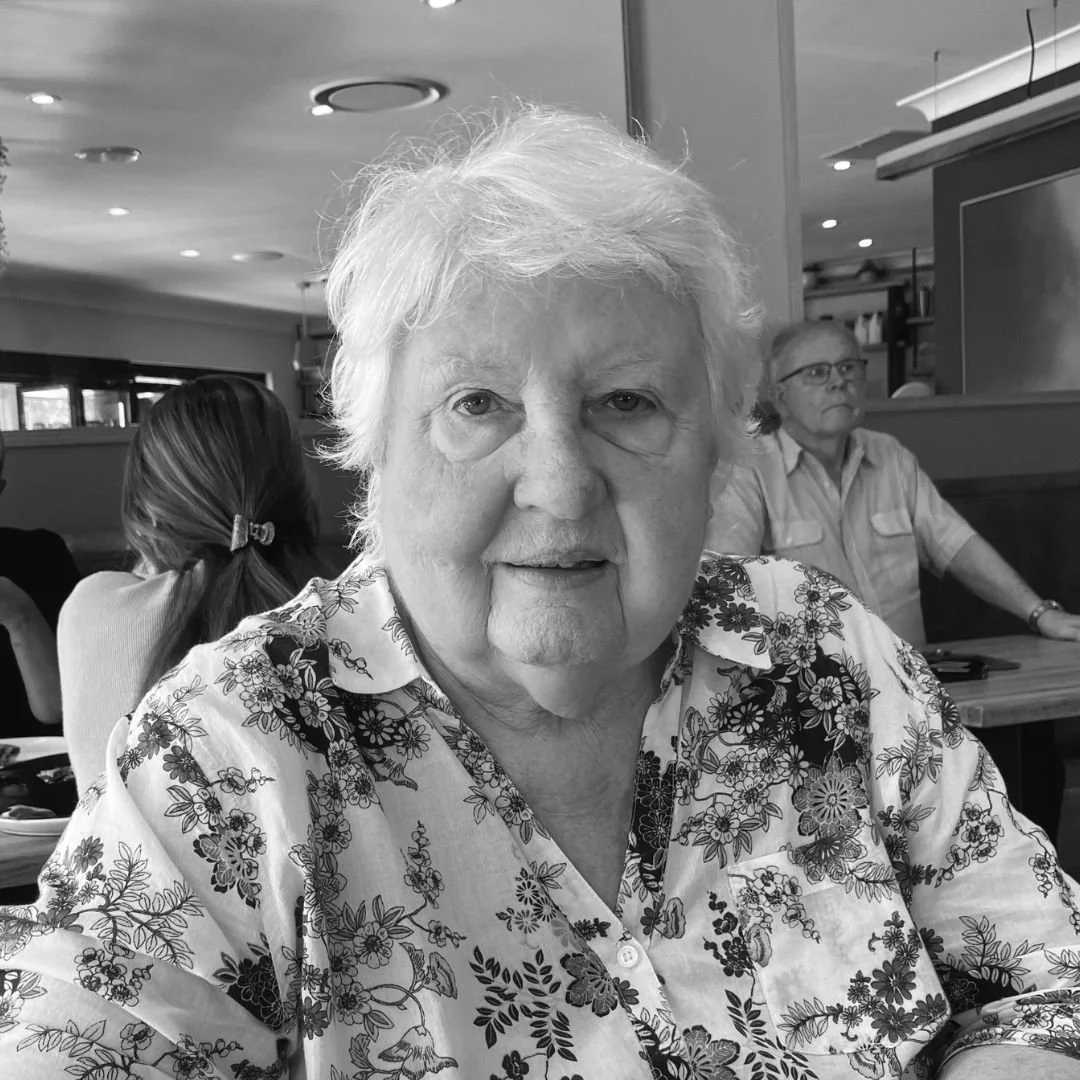
Adjunct Associate Professor Carol Liston AO
Whitlam Institute Fellow
Carol Liston AO is an Adjunct Associate Professor at Western Sydney University. She is former president of the Royal Australian Historical Society and past editor of its Journal.
Her research covers early colonial history in New South Wales, with interests in people (convict, colonial born and free immigrant), local history, heritage and the built environment. Her particular interest is the colonial development of the County of Cumberland.
Her publications include histories of Campbelltown, Parramatta and Liverpool, biographies of Sarah Wentworth, Thomas Brisbane and accounts of social life under Governor Macquarie and the convict women at the Female Factory, Parramatta.
She continues to research the children of the Female Orphan School, Parramatta (now part of Western Sydney University). Her current research project with Dr Kathrine Reynolds is an investigation of convict women transported from Britain to New South Wales between 1800 and 1836, many of whom were the mothers of the children in the orphan schools.

The Hon Margaret Reynolds AC
Whitlam Institute Ambassador
The Hon Margaret Reynolds AC has a professional background in education, public policy development and human rights advocacy.
Margaret combined her teaching and parliamentary skills to promote civics education in schools and other areas of the community. Over many years she has organised a large number of classroom parliaments and model United Nations debates to help students understand and practise the fundamentals of democracy. She extended this work to engage women in parliamentary procedures, working with UNIFEM in Fiji, East Timor and South Africa.
She has been an elected member of local government and Federal Parliament over a twenty-year period and has represented Australia at the United Nations General Assembly. Margaret was a Labor Senator and Minister in the Hawke and Keating Government Governments working on a range of social policy reforms with a particular focus on the rights of women, First Australians and people living with disability.
Since retiring from parliament, she has lectured in international relations and human rights at the University of Queensland. She chaired the Australian Centre for Excellence in Local Government Board (University of Technology, Sydney) to recognise innovation in council initiatives in community and cultural development.
In Tasmania, Margaret was CEO of National Disability Services 2004-2012 and was appointed to State and Federal advisory committees to assist the introduction of the National Disability Insurance Scheme.
Currently Margaret is National President of ABC Friends, working for better recognition of the role of Australian Public Broadcasting. She also chairs the Salamanca Arts Centre Board in Hobart.
She and her partner Henry live at Tasmania’s History House in Richmond where they are involved in promoting an understanding of Tasmanian history and recognition of built heritage.

Associate Professor Karen Soldatic
WHITLAM INSTITUTE FELLOW
Associate Professor Karen Soldatic is School of Social Sciences & Institute Fellow, Institute for Culture and Society, Western Sydney University. She was awarded a Fogarty Foundation Excellence in Education Fellowship for 2006–2009, a British Academy International Fellowship in 2012, a fellowship at The Centre for Human Rights Education at Curtin University (2011–2012), where she remains an Adjunct Fellow, and an Australian Research Council DECRA Fellowship (2016–2019).
Her research on global welfare regimes builds on her 20 years of experience as an international (Cambodia, Sri Lanka, Indonesia), national and state-based senior policy analyst, researcher and practitioner. She obtained her PhD (Distinction) in 2010 from the University of Western Australia.
Karen is Istro-Romanian, the smallest ethnolinguistic minority group in Europe, formally recognised by UNESCO. Karen's research on Australian society and settler colonialism is shaped by her lived experience of being the child of immigrants: her father, an illegal immigrant upon his arrival and her mother, removed from her family under Australia's child removal policies of the time.

Dr Zoe Staines
whitlam institute fellow
Zoe Staines is a Senior ARC DECRA Research Fellow and Senior Lecturer in Criminology and Social Policy at the School of Social Science, University of Queensland (UQ). Having previously worked in senior policy and research positions beyond academia, her current research projects span welfare conditionality; feminist critiques of work and welfare; coloniality, gender, and reproductive labour; basic income; and critical criminologies of space and place. Her recent co-authored books include Compulsory Income Management in Australia and New Zealand: More Harm Than Good? (Policy Press, 2022) and Island Criminology (Bristol University Press, 2023). Zoe is currently Lead of the interdisciplinary UQ Inequalities and Social Action Research Cluster, as well as Co-Editor-in-Chief of the Australian Journal of Social Issues. View her work here.
Zoe’s project at the Whitlam Institute builds on her previous research to explore the potential for a basic income to enhance the economic security of Australian women from diverse backgrounds, while also supporting and valuing their reproductive labour, autonomy, and freedom. In doing so, the project aims to help advance and decolonise feminist political economy debates in relation to basic income in Australia and beyond. It also extends upon the Whitlam Government’s crucial work to address poverty – particularly for women and Aboriginal and Torres Strait Islander peoples – as well as upon the important work of the federal Commission of Inquiry into Poverty, led by Professor Ronald Henderson (‘the Henderson Inquiry’), whose report included a detailed case for a guaranteed minimum income scheme, not dissimilar to a basic income.
E.G. Whitlam Research Fellows
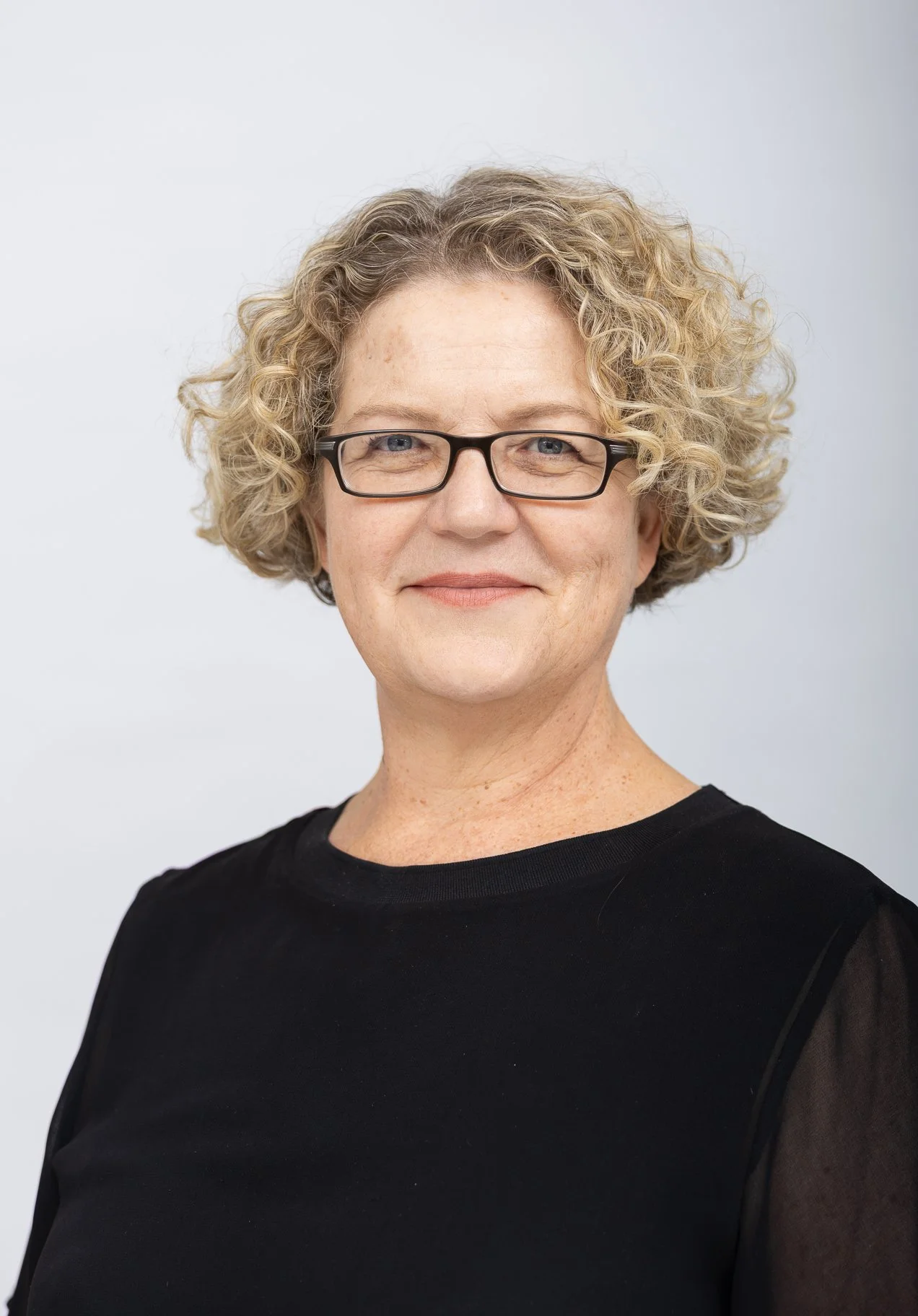
Dr Susan Poetsch
E.G. Whitlam Research Fellow 2026
Dr Susan Poetsch is a senior lecturer in the School of Education and Social Work at the University of Sydney, where she is coordinator of the Master of Indigenous Languages Education program. Her research integrates the disciplines of linguistics and education, applied to first and second language learning and teaching, in two types of First Nations settings in Australia: (a) where a traditional language is the main language of communication amongst community members, and they are learner-speakers of English and (b) where English is the main language of communication amongst community members, and they are reviving their traditional language from historical sources.
Professor Michael Chapman
E.G. Whitlam Research Fellow 2026
Professor Chapman is the Chair and Professor of Architecture and Design at Western Sydney University. He has a distinguished career of two decades in architecture as a practitioner, educator, administrator, researcher and collaborator. As a registered architect in NSW, he has been widely involved with professional bodies in architecture, including the Australian Institute of Architects, the NSW Architects Registration Board and the AACA. Michael has had particular impact, both nationally and internationally, in the space of traditional and non-traditional approaches to research, research-led teaching and collaborative approaches to community and industry engagement. With A PhD and research Masters in the theory of architecture, Michael has published widely in respected international journals, including AD, DMJ, ARQ, Interstices, Fabrications and Rethinking Marxism and has been awarded more than $1 000 000 in competitive research funding, including an ARC Discovery Grant. His practice-based research has also been exhibited and published widely including at the Venice Architecture Biennale, Museum of Melbourne, State Library of NSW and extensively within the architectural media. Together with Michael Ostwald and Chris Tucker, he is the author of Residue: Architecture as a Condition of Loss (Melbourne: RMIT Press, 2007) and with Daniel K. Brown, a co-editor of AD: The Allegorical Architectural Machine: Architectural Design Profile 94:6 (New York: Wiley, 2024).
Dr Zareh Ghazarian
E.G. Whitlam Research Fellow 2025
Dr Zareh Ghazarian is Head of the Politics and International Relations section in the School of Social Sciences at Monash University. Zareh holds a PhD in Political Science from Monash University and is an Editor-in-Chief of the Australian Journal of Political Science. He is the co-editor of Gender Politics: Navigating Political Leadership in Australia and co-author of Australian Politics for Dummies. Zareh is an award-winning educator and leading commentator on politics and is regularly called upon by national and international media to provide analysis.
Dr Laura Rademaker
E.G. Whitlam Research Fellow 2025
Dr Laura Rademaker is an award-winning historian of Indigenous Australia, missions and religion at the Australian National University. Her research explores histories of cross-cultural exchange and community-based approaches to history. She is currently working on a project about the history of Indigenous self-determination. She is author of Found in Translation: Many Meanings on a North Australian Mission (2018) and (together with Mavis Kerinaiua) Tiwi Story (2023). She is the recipient of numerous prestigious awards, including the Australian Historical Association’s Hancock Prize for most outstanding first book and the Academy of Social Sciences of Australia’s Paul Bourke Award for an outstanding Early Career Researcher.

Associate Professor Tania Penovic
E.G. Whitlam Research Fellow 2024
Associate Professor Tania Penovic is the Deputy Director of Deakin University’s Health, Law and Society Unit and an Executive Management Committee member and Senior Co-Chair of Women and Girls’ Rights for Australian Lawyers for Human Rights. She is an affiliated academic member of the Castan Centre for Human Rights Law at Monash University, where she served as Deputy Director and Research Convenor in Gender and Sexuality. She has extensively published on human rights issues and has made numerous contributions through submissions and expert testimonies to parliamentary and law reform committees. Additionally, she has been involved in providing human rights training and capacity building for judges and public authorities. Her research has been recognised for its economic and social impact, and has been cited in both state and federal parliaments, as well as by courts including the High Court of Australia and the Supreme Court of the United Kingdom.
Dr Jeremy Walker
E.G. Whitlam Research Fellow 2024
Dr Jeremy Walker's research spans the conceptual history of the social sciences (political economy, ecological economics, science, and technology studies) and the natural sciences (ecology, energy physics, climate, and Earth systems science). He places his work within the broader context of global history, examining how democratic, environmental, and land justice movements tackle biodiversity loss and global warming. His focus includes cultural shifts, energy transitions, and reforms in government policy and international relations to address these challenges.
Dr Walker is a past director of the Climate, Society and Environment Research Centre (C-SERC) based in the Faculty of Arts and Social Sciences at UTS. He is also a scholarly member of the Climate Social Science Network (CSSN) based at Brown University in the United States.
Palace Letters Fellows

Dr Joshua Black
Palace Letters Fellow
Dr Joshua Black is an Australian historian based in the School of History and National Centre of Biography at the Australian National University. His PhD dissertation, completed in 2023, explored the political memoir genre and its place in Australia’s public culture. He has published his research on Australian political, social and economic history in several scholarly journals, and has contributed to public discussion in the Conversation, Inside Story, Australian Book Review and in multiple appearances on ABC Radio. In 2021, he co-edited a special issue of the Australian Journal of Biography and History with Dr Stephen Wilks. He has taught undergraduate courses at the ANU, the Australian Catholic University, and the University of New South Wales, and received an award for Excellence in Tutoring at the ANU in 2021. Dr Black’s Palace Letters Fellowship with the Whitlam Institute will examine the Palace Letters and their role in shaping the political memoirs of the period.

Dr Kerry Nixon
Palace Letters Fellow
Dr Kerry Nixon is the Global Experiences Lecturer at La Trobe University, as well as the Australian History Lecturer for the Beijing Foreign Studies University Masters of Australian Studies program. She studies intimate papers – diaries letters and memoirs, looking for the unsaid as well as the declared statements about the lives of her subjects. Her scholarly interest in the Palace Letters was piqued whilst teaching Letter Writing: History, Culture and Practice. Her research will identify how the various Governors-General have articulated the role of Governor-General through their letters to the Palace. Her study will shed important light on what any future republican head of state might be expected to do, as well as what has been done in the past.
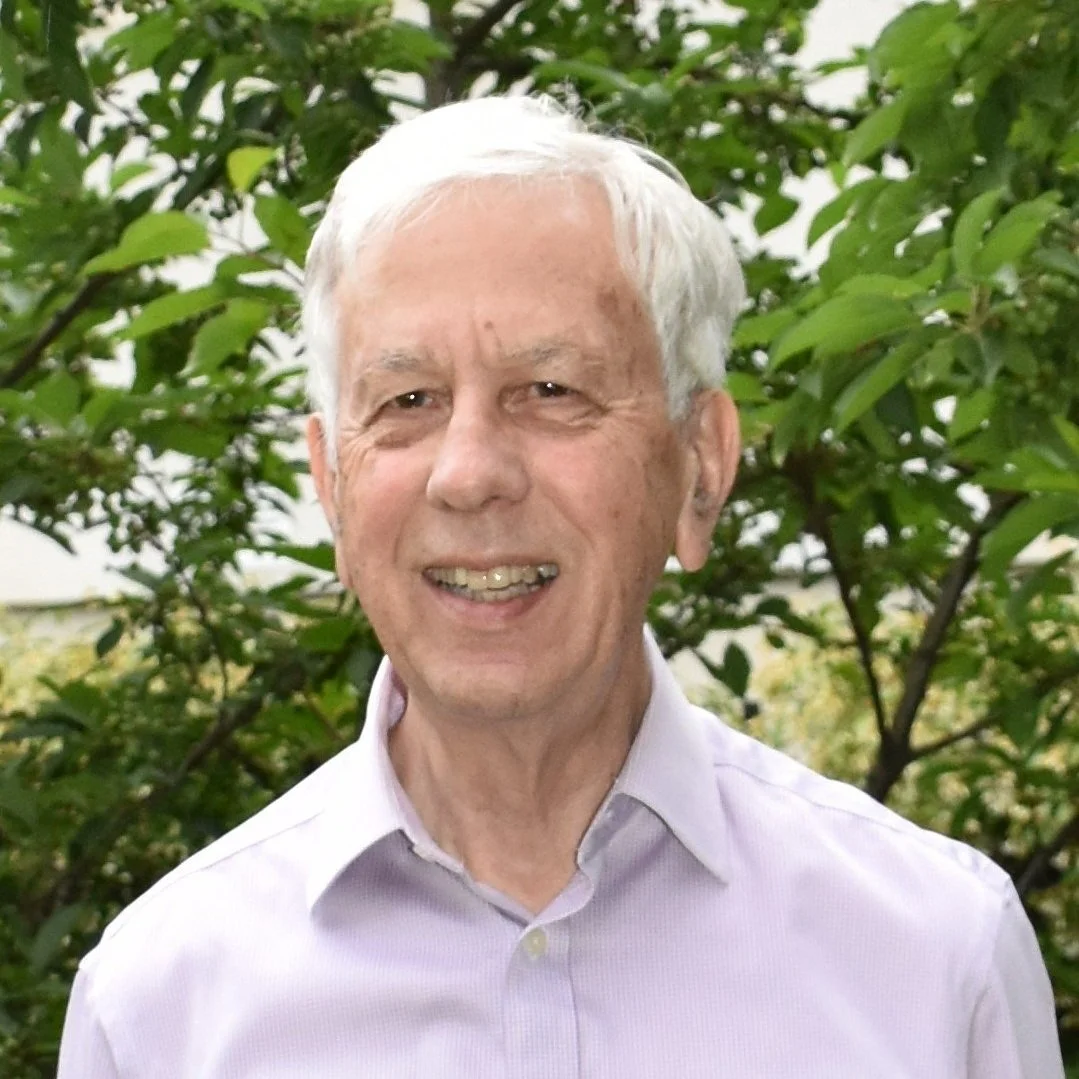
Emeritus Professor Neville Yeomans AM
Palace Letters Fellow
Neville Yeomans AM is Professor Emeritus at both Western Sydney University and the University of Melbourne. Originally a gastroenterologist, with research interests in how the stomach protects itself from acid and drugs, he was Foundation Dean of the medical school at Western Sydney from 2004 to 2009. The Order of Australia (AM) was awarded for ‘services to tertiary education, research, and clinical medicine.’ Recently, he has retrained as a historian at the University of Melbourne, with one focus on the history of medical migration. Professor Yeomans' research project will examine the confidential correspondence between 11 Governors-General and the Queen’s Private Secretary, from the beginning of her reign until 2001. This research project will carry out a detailed textual analysis of all the correspondence using NVivo software to analyse trends and themes in the Monarch’s involvement in Australian political and constitutional Affairs.