
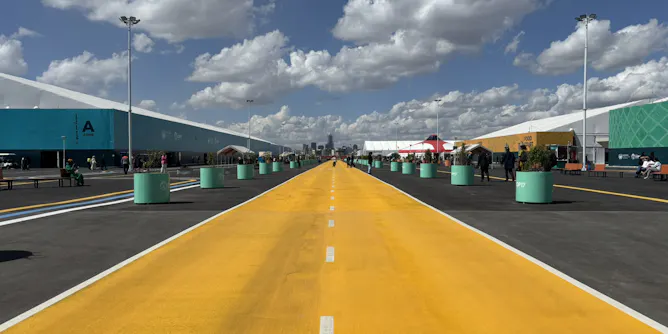
Fighting drought and combating desertification are climate obligations.
Articles on Desertification
Displaying 1 - 20 of 28 articles
Microbial ecology helps explain how ecosystems respond to environmental pressures.
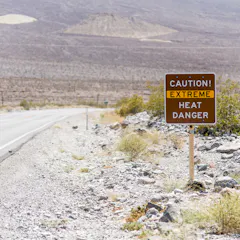
Death Valley set a record when the temperature reached 134 degrees Fahrenheit. Here’s why deserts can reach such scorching temperatures – and also very cold ones.
Rising temperatures and shifting winds are changing how dust travels from the Sahara to Europe.
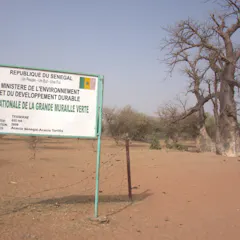
Africa’s Great Green Wall of 6,000km of trees was launched 18 years ago, promising to halt desertification. But in Senegal, it’s been very slow to progress.
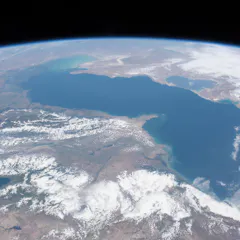
The Caspian Sea is disappearing fast – and it’s pitting people against nature.

Knowing where best to scale up soil health solutions will help protect people, businesses and ecosystems from extreme events.

Aridity is silently spreading through many of the world’s cocoa-producing regions. There are steps we can take to save them.
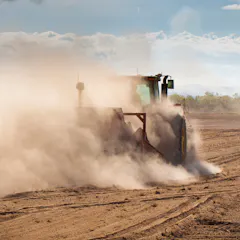
Tractors and chemicals have served food production well, but at a cost to healthy soil.
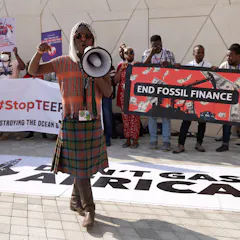
COP28 was Africa’s ‘most vocal COP ever’. African leaders’ assertiveness paid off with new climate finance deals being struck.

Getting climate funds to frontline communities may require rich countries and the UN easing control over how the money is spent.

Without refugee status people aren’t able to receive valuable support, like the right to live and work in a country.
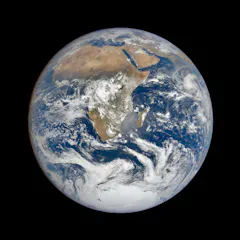
A new image has been taken of the whole Earth 50 years after the first - revealing noticeable changes to its surface.
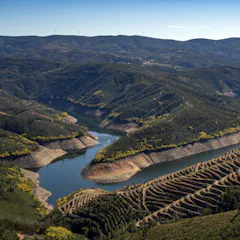
If the world overshoots its climate targets, drought could cause dryland areas to expand by a quarter and encompass half the Earth’s land area, threatening lives and livelihoods.

Africa’s Great Green Wall must immediately speed up to meet the needs of people along the edges of the Sahara Desert.
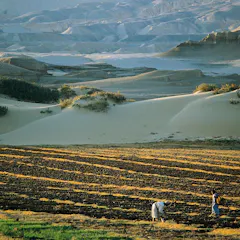
A changing climate threatens the balance that communities in drylands have created.

Desertification and climate change are threatening ancient sites in the Sahara.
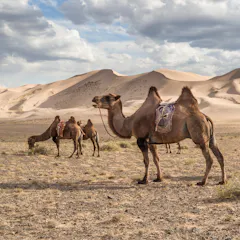
We found evidence of irreversible ecological breakdown millions of years ago – this time round, we should heed the warning signs.
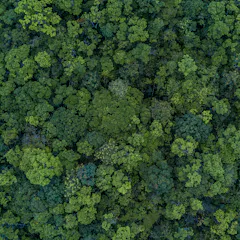
Plants take carbon from the atmosphere as they grow, but it goes straight back when they die or are harvested. There is an important difference between carbon fluxes and actual carbon sequestration.
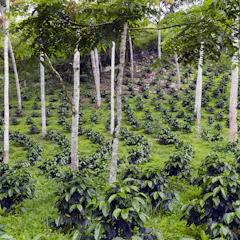
Because the interactions between trees, soils, crops and livestock can be positive or negative, their relationship must be balanced and understood.
Top contributors
-
Adjunct Research Scientist, Swedish University of Agricultural Sciences
-
Professor of Archaeology, Conservation and History, University of Oslo
-
Researcher, Lund University
-
Visiting professor, University of Saskatchewan
-
Professor of Energy and Environmental Sciences, Lancaster University
-

CGIAR
-
Research Scientist, Jet Propulsion Laboratory & University of California, Los Angeles, NASA
-
Canada Research Chair, Climate Change, Energy and Sustainability, University of Regina
-
Global Landscapes Forum science advisor and Senior Scientist, Center for International Forestry Research – World Agroforestry (CIFOR-ICRAF)
-
Reader in Climate Science, University of Portsmouth
-
Senior Lecturer in Visual Culture, University of Portsmouth
-
PhD Researcher, Sand Movement in Sudan, University of Nottingham
-
Teaching Fellow in International Relations and East Asia, University of Warwick
-
Board Chair, Global EverGreening Alliance & Distinguished Senior Fellow, World Agroforestry (ICRAF), Center for International Forestry Research – World Agroforestry (CIFOR-ICRAF)
-
Professor of Environmental Engineering, University of Sydney


