Notify me when new publications are added.
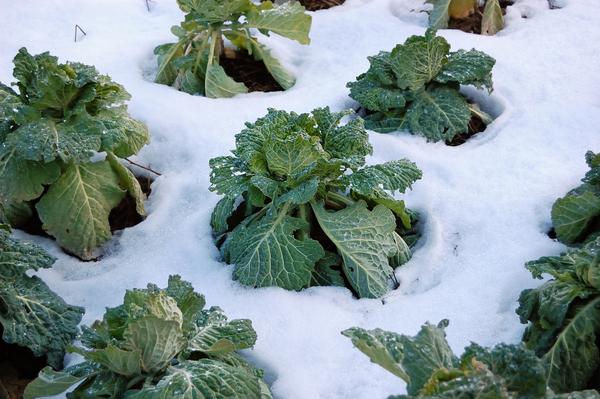
In central North Carolina almost any type of vegetable or fruit can be grown successfully provided you choose appropriate varieties and plant at the right time. This publication covers climate, season and potential pests that all affect the selection of what and when to plant. Also included is a planting chart and calendar.

This series of publications provides information about how to grow, harvest, and prepare a variety of fruits and vegetables from your garden. Each publication features recipes, recommended uses, nutrition information, and more.

This publication provides information about planning and maintaining a home vegetable garden. Topics include site selection, soil preparation, and pest and disease management.

This vegetable gardening chapter from the Extension Gardener Handbook explores the different types and techniques as well as how to select and implement a vegetable garden that fits the needs of the gardener. It explores seed selection, proper sowing, transplanting, and maintenance techniques as well as harvesting guidelines. The chapter concludes with a section on herb gardens.

This factsheet describes early blight of tomato, including identification, transmission and disease management, and control.

This vegetable pathology factsheet describes the identification and treatment of tomato late blight.

Tomato spotted wilt virus (TSWV) is an important pathogen that causes disease in numerous crops, especially tomatoes and peppers. Resistance-breaking variants of TSWV were discovered in NC on tomato varieties with the Sw-5 resistance gene during the summer of 2022. Given that host resistance is currently the most effective management strategy of TSWV, these strains pose a great threat to tomato production in the coming years. This article will focus on TSWV identification and management strategies for tomatoes and peppers.
This publication focuses on the production and harvest of head lettuce, one of the most important salad vegetables grown in the United States, with per-capita consumption exceeding 25 pounds annually. In North Carolina, head lettuce can be produced as both a spring and fall crop in eastern regions of the state and, under favorable conditions, during midsummer in western North Carolina.
Onion is a cool-season crop that tolerates moderate freezing temperatures and is well adapted to North Carolina growing conditions. It can be established either by direct seeding in the field or by transplanting seedlings, with each system offering advantages depending on management goals and field conditions. North Carolina growers are well positioned to supply the fresh market in June and July, a period when onion availability from other production regions is limited. Under good management, yields typically range from 400 to 800 (50-lb) sacks per acre, depending on weather conditions, cultivar selection, and cultural practices. During this harvest window, large, well-graded bulbs often command a market premium, making careful management of planting date, fertility, and irrigation particularly important for profitability.

This factsheet, part of the Insect and Related Pests of Vegetables publication, includes an identification key and descriptions of pests that affect bean and pea production.

This series of publications provides information about how to grow, harvest, and prepare a variety of fruits and vegetables from your garden. Each publication features recipes, recommended uses, nutrition information, and more.

This factsheet covers the identification and control of septoria leaf spot of tomatoes.

This factsheet, part of the Insect and Related Pests of Vegetables publication, includes an identification key and descriptions of pests that affect peppers.

This factsheet, part of the Insect and Related Pests of Vegetables publication, includes an identification key and descriptions of pests that affect potatoes.
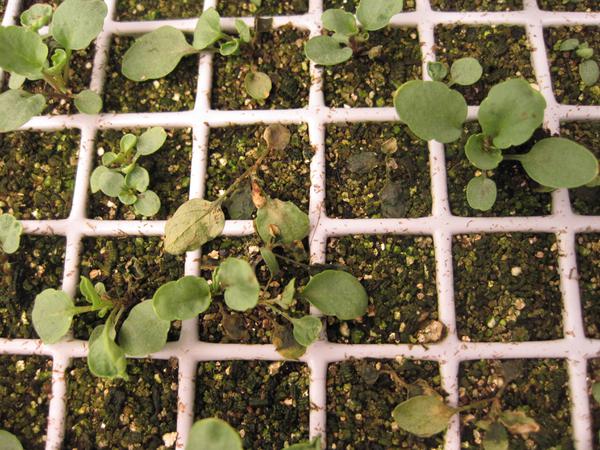
This factsheet offers information on damping off in flower and vegetable seedlings, a result of fungi present in the growing medium.

This vegetable pathology factsheet describes the identification and treatment of cucurbit downy mildew.

This factsheet, part of the Insect and Related Pests of Vegetables publication, includes an identification key and descriptions of pests that affect eggplant.

This vegetable pathology factsheet describes the identification and treatment of anthracnose of pepper.

This factsheet, part of the Insect and Related Pests of Vegetables publication, includes an identification key and descriptions of pests that affect okra.

Much success in growing tomatoes can be attributed to use of a few proven techniques. Choosing a variety that has proven to be a true performer should be at the top of every gardener's list. Better Boy, Whopper, Celebrity, and Mountain Pride are among some of the best selections. Better Boy, Celebrity, and Whopper are VFN, which means they carry resistance to verticillium wilt, fusarium wilt, and root-knot nematodes. It is best to experiment with several varieties in order to find the ideal tomato for your taste buds.

This factsheet, part of the Insect and Related Pests of Vegetables publication, includes an identification key and descriptions of pests that affect crucifers.

This factsheet, part of the Insect and Related Pests of Vegetables publication, includes an identification key and descriptions of pests that affect cucurbits.

Luffa are tropical, vining plants that produce large fruits similar to cucumbers. When young and small the fruit can be cooked and prepared like summer squash. When the fruit mature, they have a rough, fibrous interior which is referred to as the sponge and is used to make a wide variety of products. Currently, luffa sponge products are most popular as personal care products and are readily available in the cosmetic and bath sections of department stores, discount stores, pharmacies, and specialty shops. This factsheet covers how to plant, harvest, and process luffa gourds in a temperate environment.

This factsheet, part of the Insect and Related Pests of Vegetables publication, includes an identification key and descriptions of pests that affect sweet corn.
Ramps, also known as wild leeks, are native to the eastern North American mountains. They can be found growing in patches in rich, moist, deciduous forests and bottoms from as far north as Canada, west to Missouri and Minnesota, and south to North Carolina and Tennessee. In early spring, ramps send up smooth, broad, lily-of-the-valley-like leaves that disappear by summer before the white flowers appear. The bulbs have the pleasant taste of sweet spring onions with a strong garlic-like aroma.

This vegetable pathology factsheet describes the identification and treatment of Phytophthora blight of peppers.

This publication provides three examples of edible landscape designs for incorporating edible components into a home landscape. Each design is based on the same 1/4-acre residential suburban plot.

Keeping weeds out early in the season is very important for cole crops that are marketed by size. Learn how to use both cultivation and herbicides to achieve good early-season weed control and avoid losses in yield and profits.

This vegetable pathology factsheet describes the identification and treatment of Botrytis gray mold of tomatoes.

This factsheet, part of the Insect and Related Pests of Vegetables publication, includes an identification key and descriptions of pests that affect carrots.

This guide for farmers describes the advantages and disadvantages of using plasticulture to grow vegetables. It includes information on equipment needed, recommended ways to set up a fertigation system and best management practices.

This publication discusses how floods can affect food gardens. In it, you'll find recommendations for preparing your garden before a flood, precautions to take after the storm, and how to safely clean up and replant after floodwaters recede.

Cool-season leafy greens face a different weed spectrum than warm-season crops. The presence of weeds in harvested greens can result in lower prices or rejection at market. Learn about the cultivation and herbicide options that growers can use to avoid weed competition and contamination.

This factsheet discusses the symptoms, causes and control of blossom-end rot in tomatoes, peppers, and watermelon.

Asparagus has been considered a garden delicacy since Roman times. Any home gardener can grow and enjoy this spring vegetable. Asparagus is a perennial. If you plant and manage properly it will produce for 15 years or more. Since this crop will occupy the land for many years you should select and prepare the asparagus bed carefully -- location, soil type, soil fertility, size and age of crowns and correct planting are important.

This publication includes a key to identifying insects that can affect vegetable production. Asparagus, beans and peas, carrots, crucifers, cucurbits, eggplant, lettuce, okra, onions, peppers, potatoes, sweet corn, sweetpotatoes, and tomatoes are covered specifically.

This vegetable pathology factsheet describes the identification and treatment of black rot in sweetpotatoes.

This vegetable pathology factsheet describes the identification and treatment of Rhizopus soft rot of sweetpotatoes.

This factsheet, part of the publication Insect and Related Pests of Vegetables publication, includes an identification key and descriptions of pests in asparagus production.

This factsheet, part of the Insect and Related Pests of Vegetables publication, includes an identification key and descriptions of pests that affect eggplant.

This vegetable pathology factsheet describes the identification and treatment of potato late blight.
In North Carolina, pole beans are grown commercially in the mountain counties and, on a limited scale, in a few of the eastern counties. They are produced in home gardens throughout the state. With the rising interest in heirloom vegetables, pole beans are increasing in popularity. Pole beans are grown for their distinctive flavor, long pods, high yield, long harvesting season, and high price.
Many organic vegetable farmers are interested in producing sweet corn. Organic sweet corn can be grown in North Carolina and throughout the Southeast, but special considerations for variety selection, insect and disease control, economics, and markets must be made for it to be a profitable crop.
Lack of yard space is no excuse for not growing a vegetable garden. Regardless of whether you live in an apartment, condominium or mobile home, some space us available for growing a few of your favorite vegetables. However, the area you choose to grow your garden must receive five hours or more of sunlight daily. As a general rule, leafy vegetables such as cabbage and mustard greens can tolerate more shade than root vegetables like radishes and beets. Vegetables that bear fruit such as peppers, tomatoes, and cucumbers will need the most sun.
This publication offers fertilizer suggestions for a variety of crops, including field, pasture and hay crops, tree fruit, small fruit, ornamental plants and vegetable crops.
Producing asparagus crowns for sale or on-farm use is a straightforward and potentially profitable enterprise. Close attention to the production practices outlined here is essential to ensure compliance with certified plant production standards. Certified crowns are more marketable and typically command a premium price. One-year-old crowns are well suited for establishing vigorous and productive asparagus plantings.

This corn disease information note offers information on the symptoms and management of gray leaf spot in corn production in North Carolina.
This publication discusses using chemical plant protectants for disease control on greenhouse vegetables.

This factsheet discusses the identification and management of Sclerotinia Drop of lettuce.

Tomato is a warm-season crop that, when managed using appropriate production practices, can reach first harvest in as little as 65 days. By selecting adapted cultivars and implementing season-specific management strategies, tomato plants can be in the field from Mid-April through October. Although tomato production requires significant investments in time and labor, increased management intensity is typically rewarded with higher yields, improved fruit quality, and greater economic returns.

This publication focuses on easy-to-grow, child-friendly, cool-season vegetables suitable for childcare center gardening. This is the fourth of fifteen publications about childcare center production gardens.

This factsheet summarizes the benefits of fruit and vegetable gardening with children. It includes age-appropriate activities for childcare providers to engage young children using fresh produce from the garden for cooking and eating.

This factsheet, part of the Insect and Related Pests of Vegetables publication, includes an identification key and descriptions of pests that affect onions.

Weed competition in lettuce reduces both yield and head quality. This cool-season crop faces competition from winter annuals as well as early summer weeds. Learn about the cultivation and herbicide options that growers can use to control weeds in lettuce, including advice for lettuce grown with plastic mulch.
Sprouts from mung bean (Phaseolus aureus) have been used for food since ancient times. These sprouts have a nutrient value similar to asparagus and mushrooms, which contain high quantities of Vitamin A. Sprouts can be canned or frozen in addition to eating them fresh. Mung bean seeds can be purchased from mail-order commercial seed companies and health food chain stores. (Caution: Regardless of the source, do not use seeds that have been treated with a fungicide. Treated seeds are not edible and can be recognized by the coating of pink or green dust on the seed coat.)
At the national level, processing-tomato production remains concentrated in a few key regions. California continues to dominate, with approximately 11.3 million tons growing on 226,000 acres in 2024. The Midwest, particularly Indiana, Ohio, and Michigan, hosts a smaller but established processing-tomato sector that supplies regional processors through contract production. North Carolina possesses comparable climatic and edaphic conditions to some of these regions and could feasibly support processing-tomato production.

This guide provides North Carolina bell pepper growers with a comprehensive approach to nutrient management through foliar analysis. Foliar analysis offers a precise method for assessing nutrient levels within plants, enabling targeted nutrient adjustments at key growth stages—vegetative, flowering, and early fruit set. This document covers essential sampling techniques, including optimal leaf selection, handling, and transportation, to ensure accurate results. It also provides recommended nutrient sufficiency ranges, allowing farmers to interpret foliar analysis data effectively and adjust fertilization practices to enhance crop health and yield. Additionally, guidelines for foliar fertilization are provided, emphasizing timing, solution preparation, and application methods to prevent plant damage and ensure nutrient uptake. By integrating foliar analysis into regular crop management, bell pepper growers can optimize nutrient application, improve fruit quality, and support sustainable production.
A good source of water is a necessity for producing quality vegetables. During periods of drought, crop diversification and mulches can be used to cope with drought situations, but nothing will substitute for the timely application of water. This publication covers some guidelines for irrigation systems to help offset periods of drought in the Southeast United States.
This measurement guide is part of Appendix H of the Extension Gardener Handbook and gives weight measurement and count measurement for a variety of vegetables.


