BMW, or Bayerische Motoren-Werke, is descended from a German manufacturer of aircraft engines. What would become the auto company initially began making engines for boats, trucks, and motorcycles in 1922, and a year later, entire motorcycles, which of course it still offers under its BMW Motorrad division.
In 1928, it acquired German automaker Dixi, based in Eisenach, which was building a version of Britain’s Austin Seven under licence; and so the Dixi 3/15 became BMW’s first production car. The automaker cancelled the British contract in …
BMW, or Bayerische Motoren-Werke, is descended from a German manufacturer of aircraft engines. What would become the auto company initially began making engines for boats, trucks, and motorcycles in 1922, and a year later, entire motorcycles, which of course it still offers under its BMW Motorrad division.
In 1928, it acquired German automaker Dixi, based in Eisenach, which was building a version of Britain’s Austin Seven under licence; and so the Dixi 3/15 became BMW’s first production car. The automaker cancelled the British contract in 1932 and began making its own cars in-house in Eisenach, and they gradually got larger, more powerful, and more luxurious. Vehicle production ended in 1941 due to WW2 and BMW produced military vehicles and engines, primarily made by unpaid labourers from concentration camps or prisoners of war.
BMW’s factories were heavily damaged or captured by the Allies, who put limits on how many cars Germany could build when the war ended. The Eisenach plant had only minimal damage but was now within Russia’s area of occupation. BMW was permitted to resume production of the model 321 it had built before the war, but now as part of a Russian-led consortium, and the cars went to Russia. In 1950, the German government legally returned BMW’s trademarks to it. Along with the motorcycles it had always built, the Munich plant would now make automobiles, starting in 1952 with the six-cylinder 501, which became the first BMW sold in the U.S. when brought in by New York importer Max Hoffman, and then the V8-powered 502 of 1954, and soon after the 503 and 507. But sales were slow in Germany, which was still recovering from the war. BMW fell on hard times, even narrowly avoiding takeovers by Britain’s Rootes and Germany’s Daimler-Benz.
Building the tiny, egg-shaped Isetta under licence from an Italian scooter company in 1955 brought it back from the brink; while the conventionally-styled 700, powered by an air-cooled and rear-mounted engine, put it back on firm footing.
Development of the Neue Klasse, or “New Class” of cars, returned the automaker to premium status, and its sporty and very successful 1500 of 1962 is considered the first “truly modern BMW.” This lineup would progress through the 1600, 1800, and 2000. In 1968, the new 2002 arrived with its 2.0L four-cylinder engine able to be tuned to meet U.S. emissions standards, and it became the company’s best-seller in that country; and the fuel-injected and more-powerful 2002Tii of 1971 cemented BMW as a performance automaker. From there, it made production cars derived from its racing division: the BMW 3.0 Csi and 3.0 CSL, still among the most desirable for collectors.
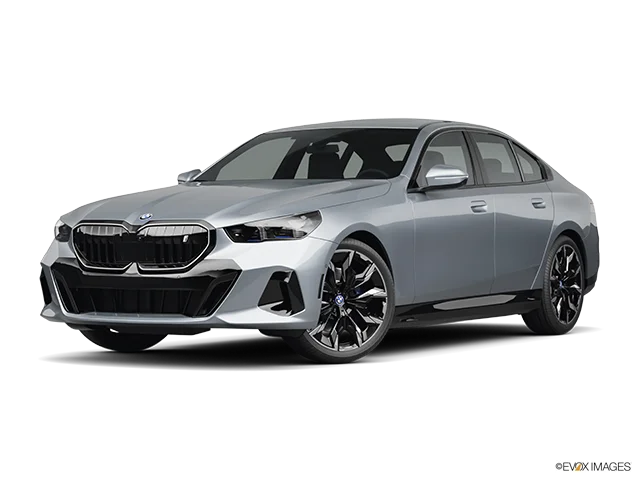
The first model-name still in use today was the 5 Series, unveiled late in 1973 and the first car built at its new Dingolfing plant, now BMW’s largest European facility and where the 5 Series continues to be made. The series also offered the first production model from BMW’s “M” (for Motorsport) division, the 218-horsepower M535i of 1980.
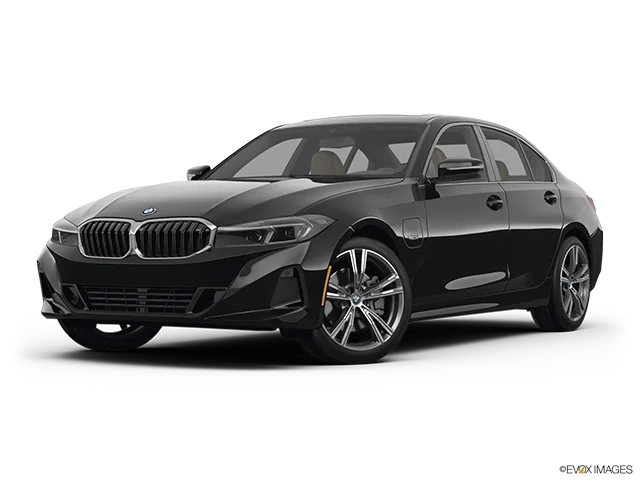
The 5 Series was followed in 1975 by the 3 Series, successor to the 2002 and the first BMW to sell more than a million copies. The 6 Series Coupe and 7 Series sedan, in 1976 and 1977 respectively, rounded out the lineup – at least to that point.
BMW broke ground for a plant in Spartanburg, South Carolina in 1992, which built the 3 Series for North American sales. Shortly after, it became the sole producer of the new Z3 roadster and coupe, and the M versions of those. Meanwhile, back in Germany, BMW decided it needed to diversify into other segments, and in a series of very complicated deals, ended up with the two British brands it still owns: Mini and Rolls-Royce. It also got Land Rover, which it later sold to Ford.
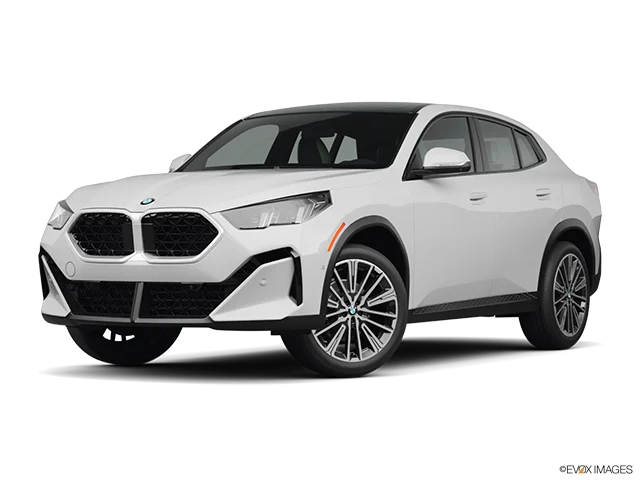
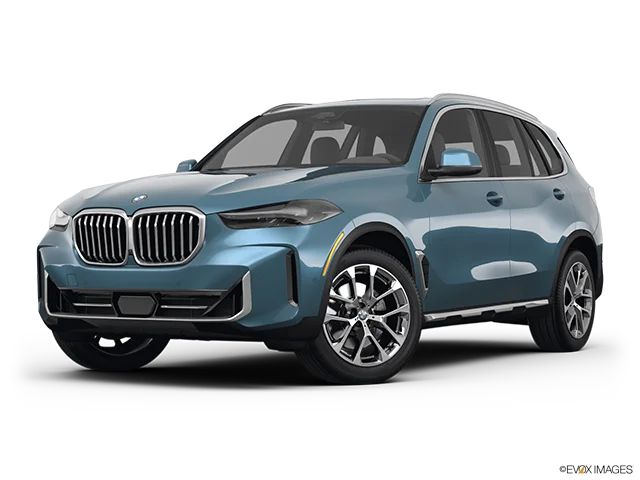
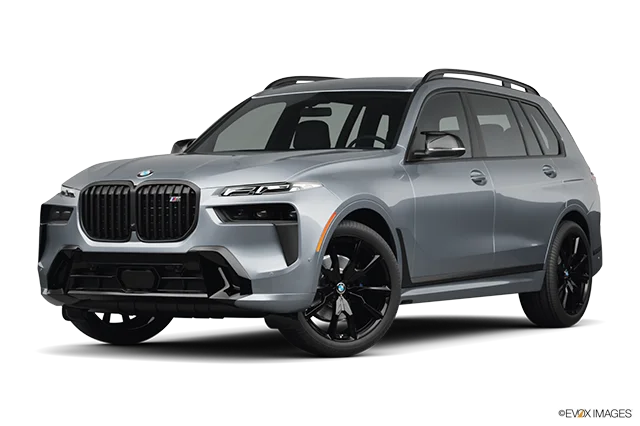
Perhaps its most surprising move came in 1999, when it unveiled the X5 sport utility vehicle (which it continues to describe as a sports “activity” vehicle, or SAV). It would borrow engine and driveline components from the 5 and 7 Series, along with some off-road tech from Land Rover. For 2004 it was joined by the X3, based on the 3 Series’ platform. Today, BMW’s sport-utility offerings also include the X1, X2, X4, X6, and X7.
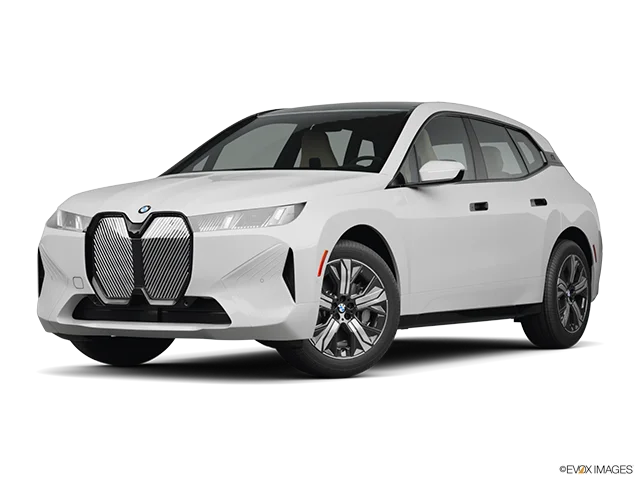
BMW had also experimented with electric vehicles (EVs), including a prototype that shuttled athletes at the 1972 Olympic Games in Europe. Other experimental models appeared over the years, until the i3, a quirky little car purpose-built as an EV from the ground up, went on sale in 2014. BMW’s electric offerings now include the iX and iX3, along with plug-in hybrids (PHEVs). The Munich-based automaker says it plans to continue offering a variety of gasoline and electrified vehicles.
BMW Reliability
In Consumer Reports’ ranking of automakers for predicted reliability of their new cars for 2025, BMW placed eighth, with a score of 53/100 across its lineup (for comparison, the highest-rated brand got 68/100). For reliability of its 5- to 10-year-old used vehicles, BMW ranked 12th, with a score of 45/100. In its survey of “Who Makes the Best Cars?”, where Consumer Reports combines reliability scores with owner satisfaction, safety, and road tests, BMW ranked second for 2025 among all brands, down from first place in 2024; and in first place among luxury brands. In the J.D. Power 2025 U.S. Vehicle Dependability Study, which looks at three-year-old vehicles, BMW placed ninth among all automakers, with an overall score of 189 problems per 100 vehicles (PP100). In that study, the 3 Series was named the top premium compact car for dependability, with the 4 Series right behind. The X4 and X3 were second and third, respectively, in the compact premium SUV category; while the X5 ranked second in the upper midsize premium SUV segment.


 Score
Score